
















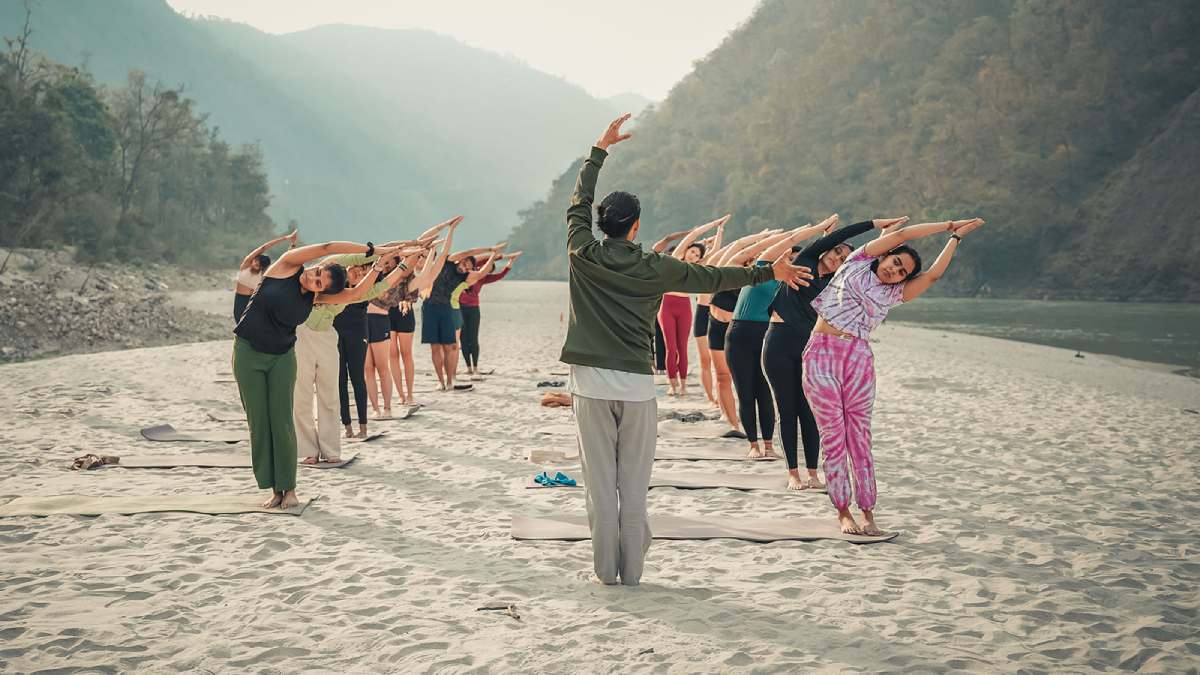
A meaningful yoga journey begins when practice moves beyond simply following instructions. Understanding why a posture is performed, how breath influences movement, and how traditional principles connect with everyday life can transform the learning experience. For practitioners who want structured education, a yoga teacher training course in rishikesh offers an opportunity to study yoga in an environment deeply connected with its traditional roots.
Why Rishikesh Is a Popular Yoga Learning Destination
Rishikesh, located near the Himalayan foothills and the River Ganges, has attracted yoga practitioners from India and around the world for decades. Its connection with meditation, spirituality, and traditional yoga makes it a distinctive place for dedicated study.
Unlike a short weekly class, teacher training creates an immersive routine. Students may spend their days practicing asana, studying pranayama, attending philosophy lessons, learning anatomy, and developing teaching skills.
This structured environment can help students build consistency. Regular practice also provides more opportunities to observe personal progress and understand areas that require further attention.
What Makes a Teacher Training Course Valuable?
A good teacher training program should combine practical experience with theoretical knowledge. Physical practice is important, but future teachers also need to understand alignment, sequencing, anatomy, communication, and student safety.
Teaching methodology is another important component. Students can learn how to demonstrate postures, provide clear instructions, observe participants, and offer suitable modifications.
Yoga philosophy and meditation can add further depth. They introduce students to the traditional ideas behind the practice and encourage them to consider yoga as more than physical exercise.
Learning Through Ashtanga Vinyasa Yoga
Ashtanga Vinyasa is a structured style that connects movement with breath. It is known for disciplined practice, systematic sequencing, and concentration.
Students who explore Ashtanga can learn about transitions, breathing patterns, alignment, sequencing, and the importance of maintaining awareness throughout practice.
A dedicated course can be particularly useful for practitioners who want to understand how a traditional sequence works rather than simply memorize individual postures. This knowledge can later help teachers communicate the principles of the practice more effectively.
Exploring a Yoga Course in Tapovan
Tapovan is a popular area of Rishikesh for yoga, meditation, and wellness activities. Its surroundings can provide a calm setting for students who want to focus on learning.
Those considering the best yoga school in india can explore programs that offer dedicated Ashtanga Vinyasa training in this part of Rishikesh.
A suitable learning environment should encourage students to ask questions, practice consistently, and receive guidance from experienced teachers. The atmosphere of the school can be just as important as the course syllabus.
The Role of Meditation and Pranayama
Yoga teacher training becomes more comprehensive when it includes practices beyond asana. Pranayama introduces students to conscious breathing techniques, while meditation provides opportunities to develop concentration and self-awareness.
These practices can complement physical training by encouraging students to pay closer attention to breath, mental focus, and overall awareness.
Yoga philosophy can also help learners understand the broader context of traditional practices. Studying philosophical concepts alongside practical training can provide a more balanced educational experience.
The broader wellness industry has also shown growing interest in mindfulness and holistic lifestyle practices. Forbes regularly covers wellness and lifestyle developments, reflecting the wider public interest in these areas.
How to Choose the Right Yoga School
Finding the right yoga teacher training course in rishikesh requires research. Students should not make their decision based only on photographs, reviews, or promotional offers.
Start by examining the curriculum. Check whether the program covers the subjects you want to study and whether there are sufficient practical teaching sessions.
Teacher experience should also be considered. Students can research the instructors and understand their areas of expertise.
Other factors include accommodation, food, class size, daily schedule, location, and student support. International students may also want to clarify travel and course-related requirements before making arrangements.
From Student to Confident Teacher
Completing a teacher training course is only one part of becoming a good instructor. Confidence develops through continued practice, observation, teaching experience, and learning from feedback.
Students should have opportunities to practice teaching during their training. This can help them become comfortable giving instructions, demonstrating techniques, managing class sequences, and responding to different learning needs.
A responsible teacher also recognizes that every student is different. Understanding individual limitations and providing appropriate guidance are important parts of creating a supportive class environment.
Continuing Your Yoga Education
The journey does not need to end after completing a yoga teacher training course in rishikesh. Many practitioners continue studying through advanced programs, workshops, personal practice, and teaching experience.
Continued education can help teachers refine their methods and stay connected with their own practice. It also provides opportunities to explore specific areas such as Ashtanga Vinyasa, meditation, pranayama, or yoga philosophy.
Conclusion
Choosing a yoga school is an important decision for anyone planning to invest significant time in teacher education. Rishikesh offers a distinctive environment where students can explore yoga through practical training, traditional knowledge, meditation, philosophy, and disciplined daily practice.
If you are researching the best yoga school in india, compare the curriculum, teachers, teaching methods, facilities, and overall learning environment carefully. The right program can provide more than a certificate—it can create a strong foundation for personal practice, teaching confidence, and continued growth.