
















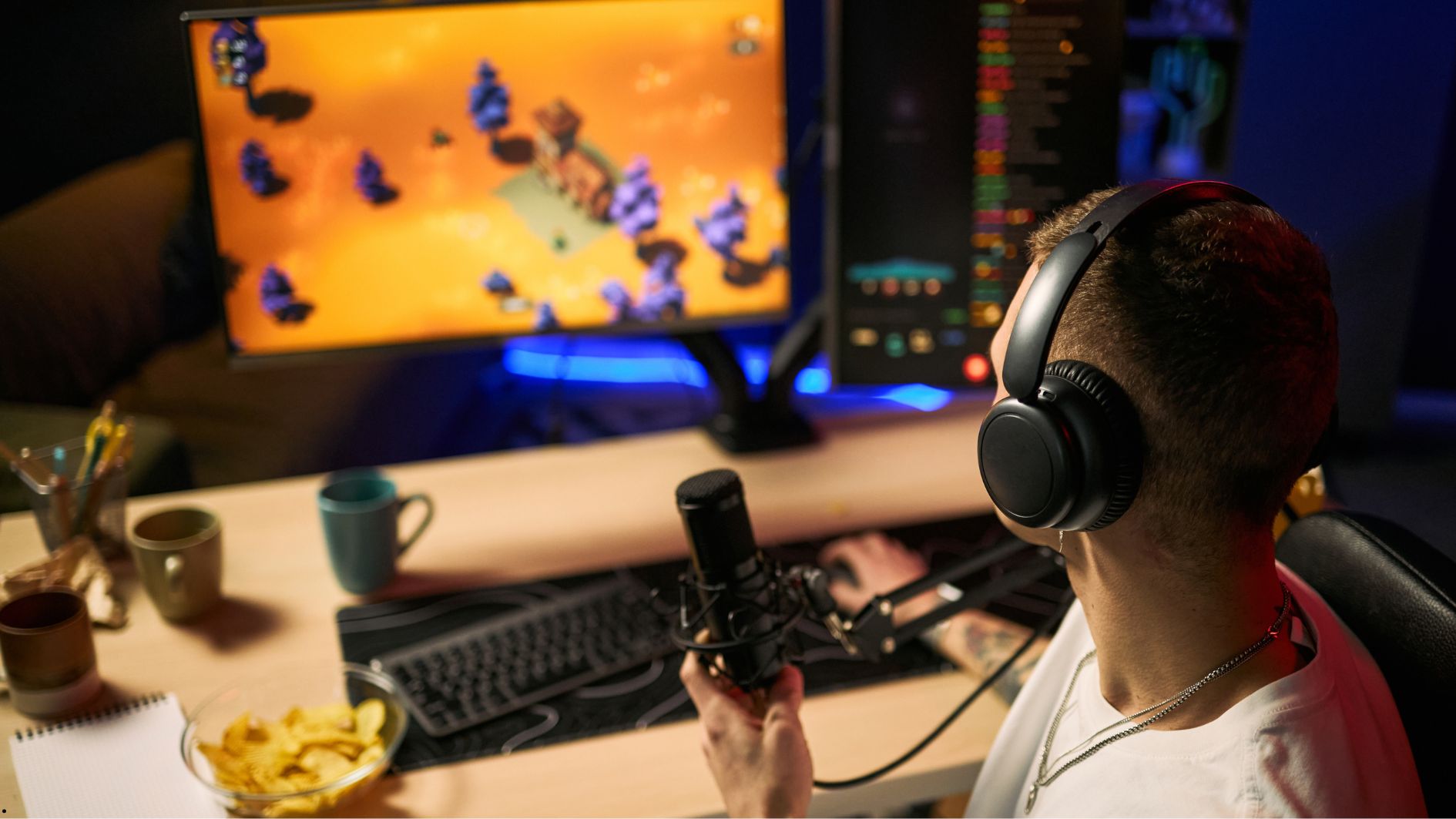
Online games combine visual design, sound, rules, storytelling, and player interaction to create digital experiences. A memorable game is not necessarily the one with the most complicated graphics or the largest number of features. Often, its appeal comes from how effectively these elements work together to make activities understandable, challenging, and enjoyable.
Understanding game design helps players recognize why certain experiences feel intuitive while others require time to learn. It also reveals how developers use mechanics, feedback, progression, and atmosphere to shape the way people interact with virtual environments.
The Foundations of Game Design
Game design begins with decisions about what players can do, what they are trying to achieve, and how the game responds to their actions.
Objectives and Rules
Objectives give players a reason to interact with the game. A puzzle might require completing a pattern, while an adventure could involve exploring an environment and discovering its story.
Rules establish the boundaries of the experience. They determine which actions are possible, how progress is measured, and what happens when players encounter a challenge.
Clear rules help players understand the relationship between their decisions and the results. When important mechanics remain unexplained, beginners may struggle to identify why a particular action succeeded or failed.
Balancing Challenge and Accessibility
A well-designed game provides opportunities to learn without removing every meaningful challenge.
Tutorials can introduce controls gradually. Early levels may focus on one mechanic, while later stages combine several concepts. Optional difficulty settings can also accommodate different experience levels.
Not every game needs the same difficulty curve. A relaxing creative game may prioritize freedom, while a competitive title may deliberately require precision and repeated practice.
Visual Design and Player Attention
Visual elements influence how players interpret the game environment. Colors, shapes, movement, and interface placement can communicate information without requiring lengthy instructions.
Creating a Readable Interface
A clear interface helps players identify objectives, available actions, and important status information.
Designers may use recognizable icons, readable text, consistent menus, and visual distinctions between interactive objects. The purpose is to reduce unnecessary confusion so that players can concentrate on the actual challenge.
Excessive decoration can make important information difficult to find. Effective visual design balances personality with practical usability.
Art Styles and Atmosphere
Games can use realistic environments, illustrated characters, minimalist shapes, or imaginative visual worlds.
An art style helps establish a game’s identity and atmosphere. A bright cartoon environment may create a playful mood, while muted colors and detailed scenery can support a more serious narrative.
Visual quality is subjective, and a distinctive art direction can be effective even when it does not aim for photorealism.
Sound, Music, and Feedback
Audio can provide information about events and contribute to the emotional tone of a game.
Music and Environmental Sound
Background music may change according to the location, activity, or intensity of a scene. Environmental sounds can help players recognize movement, identify objects, or understand what is happening nearby.
Sound design should support the experience rather than overwhelm it. Adjustable volume settings and subtitle options can make games more comfortable and accessible for different audiences.
Feedback After Player Actions
Games often use animations, sound effects, score changes, or visual indicators to communicate the outcome of an action.
For example, a puzzle might highlight a completed row, while a racing game may display a lap time. Immediate feedback helps players understand what happened and decide what to do next.
Progression and Replay Value
Progression systems give players a way to observe changes over time.
Levels, Unlocks, and Milestones
Some games organize content into levels, missions, chapters, or achievements. Completing a stage may introduce a new mechanic or provide access to additional challenges.
Other games emphasize open-ended exploration, where players set personal objectives instead of following a fixed sequence.
Replay value can come from different strategies, branching stories, creative possibilities, or simply the enjoyment of mastering familiar mechanics.
Understanding Gaming Search Terms in Context
Search engines can display phrases related to gaming websites, applications, or platform interfaces alongside general game-design information.
For instance, Betbhai 9 website may appear in gaming-related searches, but the phrase does not establish the actual features, ownership, or design of a particular service.
Similarly, Betbhai9 com is a search phrase rather than a verified description of an interactive product. Neither keyword demonstrates that a particular game exists or provides evidence about its quality. Readers should rely on documented gameplay descriptions and independent information when evaluating specific products.
Accessibility and Inclusive Design
Accessible design gives more people opportunities to enjoy interactive entertainment.
Useful Accessibility Features
Depending on the game, useful features may include:
- Adjustable text size and interface scaling.
- Subtitles and configurable audio.
- Alternative control layouts.
- Color-contrast options.
- Difficulty adjustments.
- Tutorials that can be reviewed later.
These features can support players with different preferences and abilities. Their availability varies, so checking a game’s documented options is worthwhile.
Online game design combines mechanics, visual presentation, sound, feedback, progression, and accessibility. When these elements work together, they can create experiences that are easier to understand and more enjoyable to explore.
Players who recognize these design choices may appreciate games on a deeper level. Instead of evaluating an experience only by its graphics, they can consider how effectively it communicates, challenges, and responds to their decisions.