
















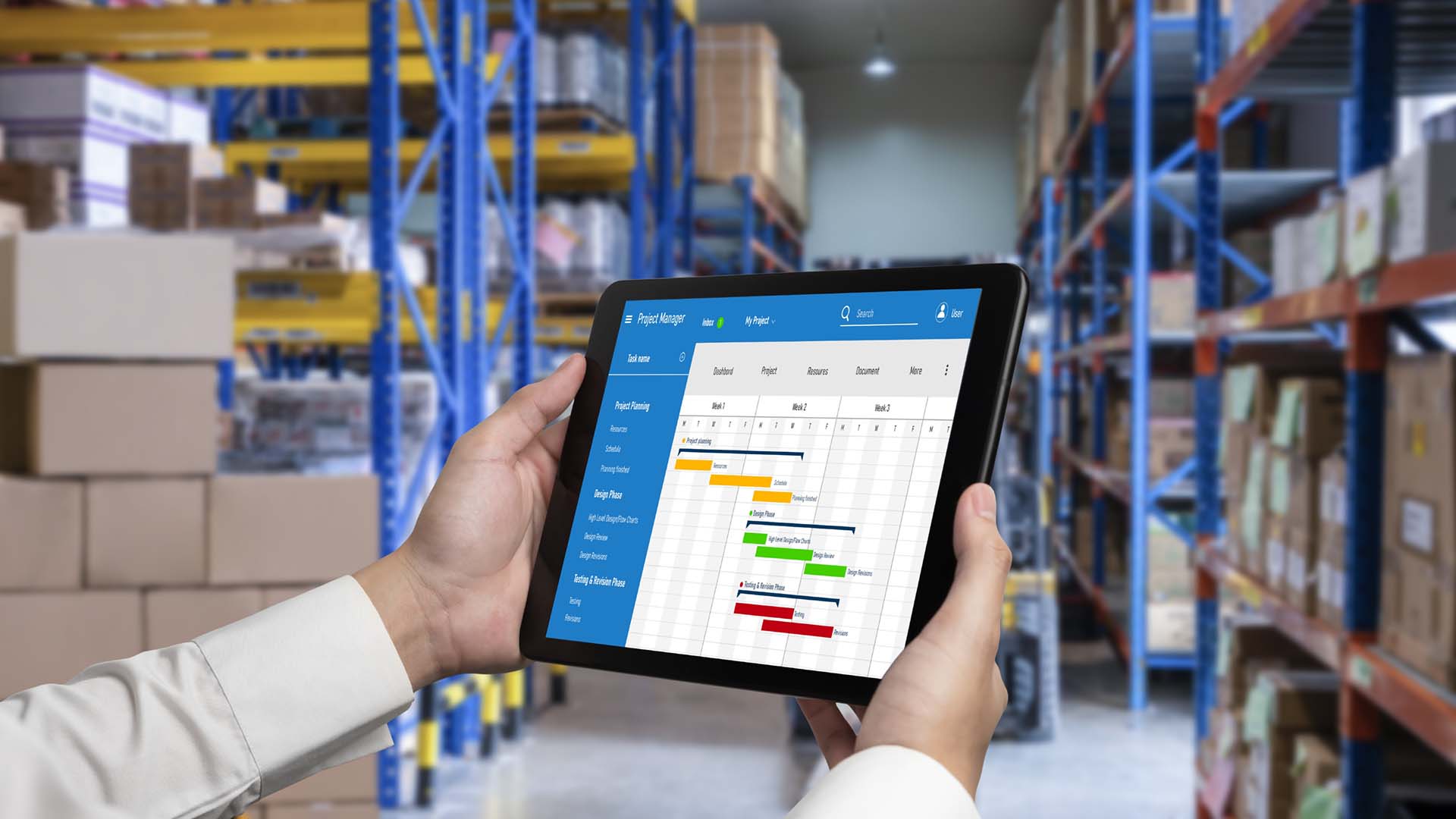
Managing inventory across multiple warehouses, stores, offices, or distribution centers can be challenging. As businesses expand into new locations, keeping accurate records of stock becomes more complex. Without proper systems and processes, companies may face stockouts at one location while holding excess inventory at another.
Multi-Location Inventory Management helps businesses maintain visibility and control over inventory across different facilities. With the right processes and technology, organizations can improve stock accuracy, streamline transfers, reduce unnecessary costs, and ensure products are available where they are needed.
What Is Multi-Location Inventory Management?
Multi-Location Inventory Management is the process of tracking, organizing, and controlling inventory across multiple physical locations. These locations may include warehouses, retail stores, distribution centers, manufacturing facilities, or project sites.
Instead of managing each location separately, businesses can use centralized inventory information to understand total stock levels and determine where products are currently stored.
This approach provides managers with a complete view of inventory and makes it easier to coordinate purchasing, transfers, and fulfillment.
Why Multi-Location Inventory Management Matters
Managing multiple locations with spreadsheets or disconnected systems can create inaccurate and outdated information. Employees may not know how much inventory is available at another facility, which can result in unnecessary purchases or delayed customer orders.
An effective multi-location strategy helps businesses:
- Improve inventory visibility
- Reduce stockouts and overstock
- Optimize warehouse space
- Improve inventory accuracy
- Coordinate stock transfers
- Simplify purchasing decisions
- Improve order fulfillment
Centralized visibility allows businesses to make decisions based on current inventory information rather than assumptions.
1. Centralize Your Inventory Data
The first step toward effective multi-location management is creating a centralized source of inventory information. Managers should be able to see stock levels for each location from one system.
For example, if a product is unavailable at one store but available at another warehouse, employees can quickly identify the available stock and determine whether a transfer is appropriate.
Centralized information reduces the need to contact different locations manually and helps prevent duplicate purchasing.
2. Track Inventory Transfers
Inventory frequently moves between locations. Businesses may transfer products from a warehouse to a retail store or move excess inventory from one facility to another.
Every transfer should be recorded accurately. When inventory leaves one location, the quantity should be reduced there and added to the receiving location.
Automating these updates helps maintain accurate records and reduces the risk of inventory discrepancies.
3. Set Location-Specific Stock Levels
Different locations may have different customer demand and storage capacity. Maintaining identical stock levels everywhere may not be efficient.
Businesses should establish minimum and maximum inventory levels based on local demand, sales history, lead times, and available storage space.
This helps ensure that high-demand locations receive sufficient stock while preventing low-demand locations from accumulating unnecessary inventory.
4. Improve Demand Forecasting
Demand can vary significantly between locations. A product that sells quickly in one region may move slowly in another.
Businesses should analyze location-specific sales data to understand purchasing patterns and seasonal demand. Better forecasting allows companies to allocate inventory more effectively and reduce the risk of stockouts.
Data-driven forecasting can also help purchasing teams determine when additional products need to be ordered.
5. Use Technology to Improve Visibility
Technology plays an important role in successful multi-location inventory management. Modern inventory platforms can provide real-time information about stock quantities, product movements, orders, and locations.
Businesses can explore Business Inventory Solutions to find technologies that support different inventory requirements and operational workflows.
The right system can reduce manual processes while making inventory information easier to access across departments and locations.
6. Optimize Inventory Allocation
Having inventory available does not necessarily mean it is in the right location. Businesses should regularly review stock levels and identify locations holding excess inventory while others are experiencing shortages.
Strategic inventory allocation can help businesses move products to locations where demand is higher. This can improve product availability while reducing unnecessary purchasing.
Companies can also explore Inventory Software Solutions for Every Need to identify tools that can support inventory tracking, automation, reporting, and operational efficiency.
7. Monitor Inventory Performance
Tracking key inventory metrics can help businesses identify problems across different locations. Useful metrics include inventory turnover, stockout frequency, excess inventory, order fulfillment rates, transfer times, and inventory accuracy.
Regularly reviewing these metrics helps managers identify underperforming locations and make adjustments to purchasing, allocation, or replenishment strategies.
Benefits of an Integrated Approach
A centralized approach to Multi-Location Inventory Management can provide businesses with greater control over their inventory network.
Instead of treating every warehouse or store as an independent operation, businesses can coordinate inventory across locations. This can improve resource utilization, reduce unnecessary costs, and support faster customer service.
Conclusion
Managing inventory across multiple locations requires accurate data, standardized processes, and effective coordination. Centralizing inventory information, tracking transfers, setting location-specific stock levels, forecasting demand, and monitoring performance can significantly improve inventory operations.
The right technology can bring these processes together and provide real-time visibility across the entire organization. By implementing an effective multi-location inventory strategy, businesses can reduce stockouts, avoid excess inventory, improve fulfillment, and create a more scalable operation as they continue to grow.