
















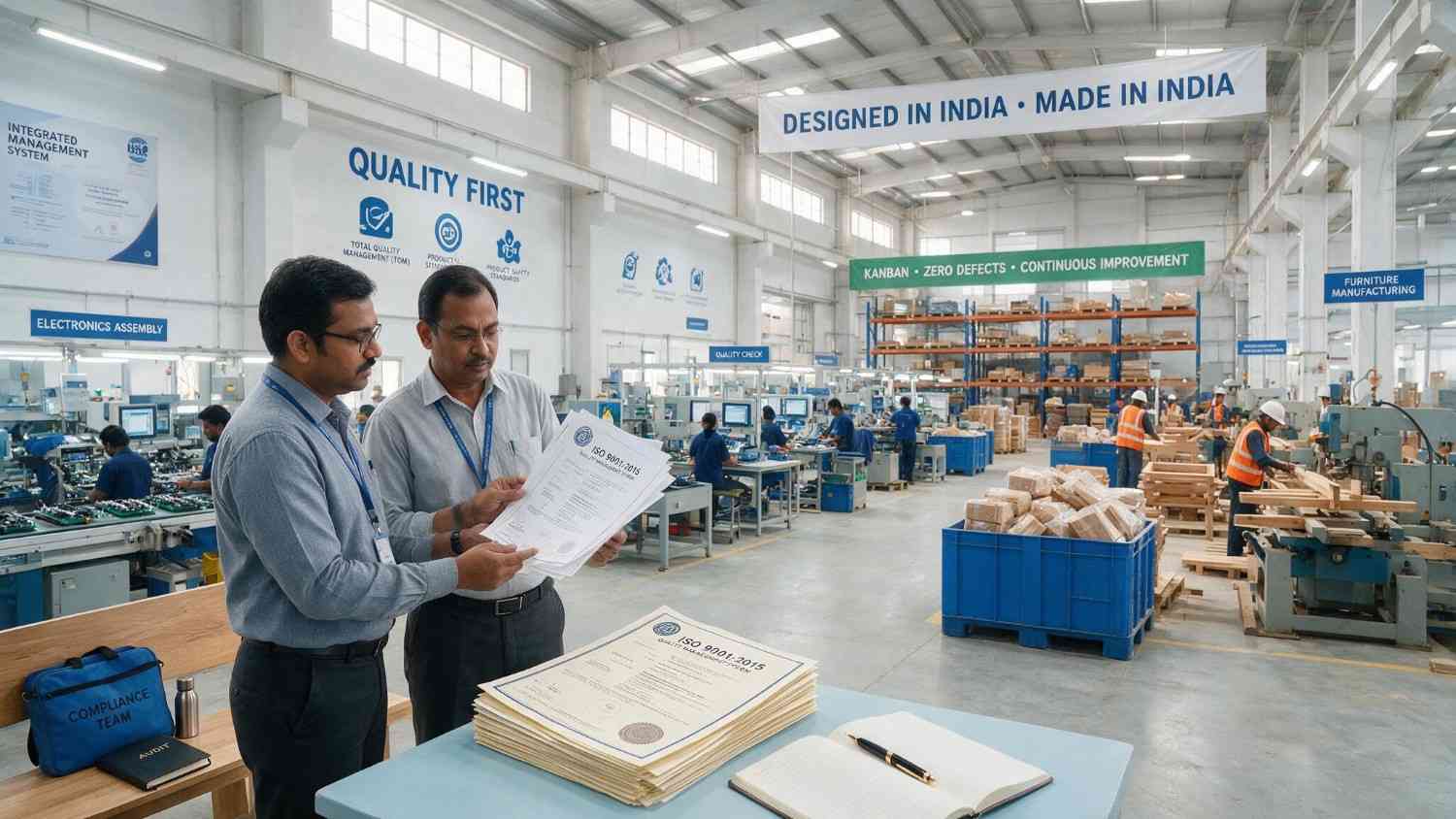
Deploying industrial machinery, gas storage systems, or electrical equipment into volatile environments requires far more than basic engineering precision. In high-risk sectors such as oil and gas, pharmaceuticals, mining, and heavy chemical manufacturing, regulatory compliance directly dictates whether a facility opens on schedule or faces immediate operational shutdown. For international original equipment manufacturers (OEMs), global engineering contractors, and local plant operators seeking to establish or expand operations in India, partnering with regulatory compliance advisors like Sun Certifications India provides the most direct path to clearing statutory hurdles while maintaining strict safety standards.
Securing official statutory approvals verifies that equipment designed for hazardous locations can withstand extreme pressure, contain potential internal explosions, and operate without risking worker safety or environmental integrity. Navigating technical dossier compilation, flameproof testing, and mandatory site inspections with dedicated compliance experts allows project leaders to avoid administrative gridlock, protect capital investments, and bring facilities online safely.
The Operational Pillars of Hazardous Safety Compliance
Achieving statutory clearance for high-hazard equipment requires a structured, multi-tier engineering review and testing workflow designed to prove complete operational safety in volatile conditions.
When an experienced compliance team oversees your approval process, every technical drawing, electrical enclosure, and pressure rating undergoes meticulous examination. Operating parameters—such as explosion-proof ratings, thermal tolerance thresholds, pressure limits, and automatic relief mechanisms—are verified in accredited laboratories against national safety codes. This thorough validation prevents industrial accidents, reduces long-term liability, and ensures your plant operations comply fully with national regulatory standards.
Core Services for Hazardous Asset Authorization
Specialized compliance firms offer modular advisory services structured to streamline safety approvals across diverse industrial categories.
Explosive Area and Flameproof Equipment Clearances
Electrical installations, control panels, motors, and instrumentation intended for potentially explosive gas or dust atmospheres require formal statutory approval before installation. Securing your mandatory PESO Certificate through established regulatory specialists ensures that your Ex-test reports, technical schematics, and factory quality assurance files comply completely with national safety mandates.
Pressure Vessel and Cryogenic Storage Approvals
High-pressure storage tanks, transport tankers, industrial boilers, and cryogenic gas vessels must undergo rigorous design verification, non-destructive testing, and material strain analysis to guarantee safe operation under high pressure.
International OEM Factory Audits
Global manufacturers producing flameproof or pressure-rated equipment outside India must secure official clearance before shipping products to domestic buyers. Regulatory specialists manage international factory audits, verify manufacturing quality controls, and coordinate local regulatory communication.
Gas Cylinder and Valve Safety Certifications
Industrial, medical, and automotive gas cylinders, along with their associated multi-port valves and safety regulators, require thorough batch testing and structural design approvals to ensure safe handling and transport.
Strategic Value of Expert Compliance Partnerships
Attempting to navigate complex high-hazard safety regulations without expert guidance exposes capital projects to severe financial risks, including extended customs holds, missed commissioning deadlines, and heavy regulatory fines. According to an insightful industrial growth strategy report published by HubSpot, proactive regulatory and risk management speeds up operational go-to-market timelines by over 30%, protecting capital allocations and strengthening brand trust.
Collaborating with a dedicated compliance advisory firm delivers key operational advantages:
- Faster Project Timelines: Experienced consultants identify technical dossier errors early, preventing administrative rejections and repeated lab testing cycles.
- End-to-End File Tracking: Real-time application updates give project managers complete visibility into document reviews, laboratory testing stages, and final approval statuses.
- Reliable Local Representation: Foreign equipment manufacturers gain dependable local support to handle technical inquiries, manage government communications, and resolve audit requirements smoothly.
Overcoming Industrial Compliance Bottlenecks
Managing complex statutory safety filings internally can strain engineering teams and cause unexpected project delays. Unfamiliarity with localized safety codes, specific document formatting, or hazardous zone classifications can delay multi-million-dollar plant launches for months.
A dedicated regulatory advisory resolves these challenges by managing every stage of the compliance cycle. From organizing technical design dossiers and selecting accredited testing laboratories to coordinating official factory audits, experts handle the operational details. This dedicated support allows your engineering leadership to focus on plant construction, machinery installation, and operational scaling without regulatory interruptions.
Technological Evolution in Hazardous Safety Approvals
Industrial safety frameworks continue to integrate digital workflows and modern testing technologies:
- Digital Dossier Management: Online submission portals streamline document reviews and shorten evaluation timelines.
- Advanced Non-Destructive Testing: Modern testing methodologies offer precise, non-invasive structural checks for pressure vessels and cryogenic storage units.
- Global Standard Harmonization: Local safety bodies are aligning national codes with international frameworks like IECEx and ATEX, simplifying cross-border compliance for global equipment manufacturers.
Frequently Asked Questions
What is the typical validity period for hazardous equipment safety clearances?
Statutory safety clearances issued for flameproof equipment and pressure vessels remain valid for three to five years, depending on the specific asset category. Operators can renew their approvals by submitting updated inspection reports, confirming that equipment designs and manufacturing locations remain unchanged, and paying the required administrative fees.
How long does the approval process take for imported flameproof equipment?
The timeline depends on equipment complexity, sample availability, and technical documentation completeness. On average, reviewing technical dossiers and completing lab test evaluations takes between 30 to 45 working days. Overseas plant audits may require 60 to 90 days due to international travel and site inspection logistics.
Can international ATEX or IECEx test reports be used for local statutory approvals?
Yes, valid international test reports issued by recognized global testing laboratories can accelerate the evaluation process. However, these reports must be submitted along with complete technical design dossiers to verify full alignment with national safety codes.
What happens if a pressure vessel fails hydrostatic or structural testing?
If a pressure vessel fails non-destructive testing or hydrostatic checks, inspectors issue a non-conformity report detailing the structural or design defect. The manufacturer must revise the design, repair weld seams, or upgrade safety valves before requesting a fresh inspection.
Are physical factory inspections required for all hazardous area equipment?
Yes, manufacturing plants producing equipment for explosive or high-pressure environments must undergo physical factory audits. Qualified safety inspectors review the facility to verify quality control standards, welding procedures, and testing equipment before granting statutory approval.
Accelerate Your Operational Success Today
Expanding industrial operations or importing specialized hazardous area equipment into new markets should be a milestone of growth, not an administrative headache caused by regulatory delays. Partnering with certified compliance specialists ensures your heavy equipment satisfies every statutory safety standard, protects workforce well-being, and enters active service smoothly.