
















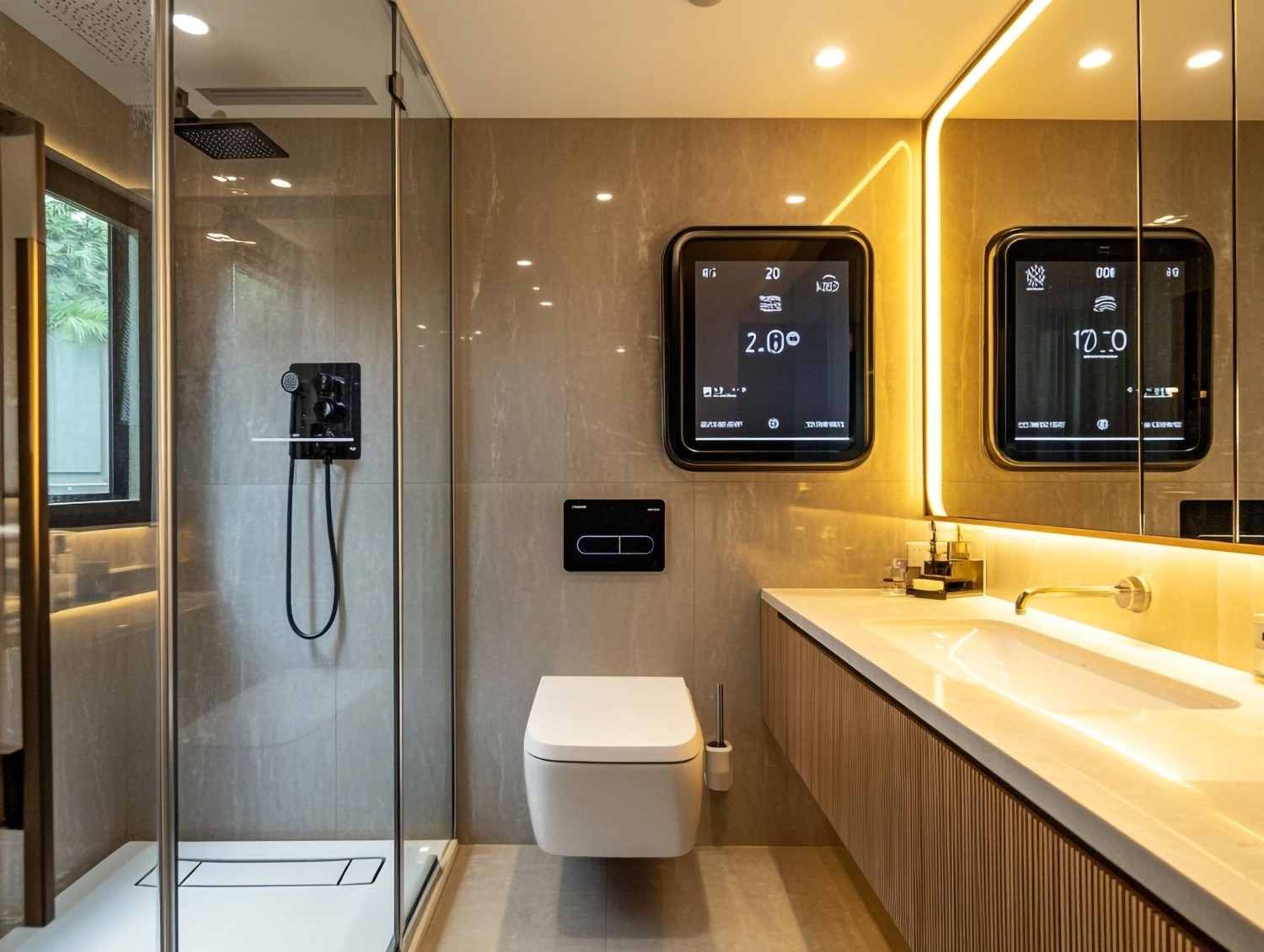
Bathroom hygiene products have developed beyond conventional fixtures, giving homeowners more options for everyday comfort and personal cleansing. One popular category combines a toilet with an integrated bidet that delivers water through a built-in nozzle.
Depending on the model, these systems may provide adjustable water temperature, spray pressure, nozzle position, and other personalized settings. The combination can simplify bathroom layouts by bringing several functions together.
For anyone researching a smart toilet with warm water bidet, understanding the cleansing system, installation requirements, and maintenance needs is essential.
What Is a Warm-Water Bidet Toilet?
A warm-water bidet toilet incorporates a water-based cleansing function into the toilet itself. Instead of using a separate bidet fixture, users operate the cleansing system through controls attached to the toilet or a remote.
Some products allow users to select water temperature and pressure. Others may offer adjustable spray positions or different cleansing modes.
The available functions depend on the model. Buyers should review the product specifications rather than assuming that every integrated bidet provides the same settings.
Why Consider Warm-Water Cleansing?
Personalized Comfort
Warm water may feel more comfortable than cold water for many users. Adjustable temperature controls can help households choose settings that suit their preferences.
Users should follow the manufacturer’s instructions and avoid temperatures that could cause discomfort or burns.
Integrated Design
A combined toilet and bidet can eliminate the need for a separate bidet fixture. This may be useful in bathrooms where floor space is limited.
An integrated design can also simplify the visual appearance of the room, particularly when paired with contemporary bathroom fittings.
Adjustable Controls
Some smart toilets offer controls for water pressure and spray position. These adjustments can help users personalize the experience.
The control system should be straightforward to operate. Clear labels, accessible buttons, and easy-to-understand instructions are particularly important in shared bathrooms.
Important Features to Compare
When comparing integrated bidet systems, look beyond the basic claim that warm water is available.
Check whether the product provides adjustable temperature, pressure control, nozzle positioning, and a nozzle-cleaning function. Review the manufacturer’s instructions for cleaning and maintaining the cleansing components.
Also examine the water pressure requirements. A product may not perform as intended if the existing plumbing does not meet its specifications.
Buyers exploring smart toilets with bidet systems should also consider whether the control layout is suitable for all intended users.
Hygiene and Cleaning Requirements
An integrated bidet requires regular maintenance. The toilet bowl, seat, nozzle area, and other accessible surfaces should be cleaned according to the manufacturer’s guidance.
Some models offer automatic nozzle rinsing, but this should not be interpreted as eliminating manual cleaning.
Check whether the nozzle can be accessed for maintenance and which cleaning products are approved. Avoid abrasive chemicals that could damage components.
It is also important to follow the product’s instructions regarding water quality and filter replacement, if applicable.
Installation and Plumbing Considerations
An integrated warm-water bidet may require both a water connection and an electrical supply.
Before purchasing, confirm the toilet’s rough-in dimensions, water pressure requirements, outlet position, and electrical specifications. These details should be checked before any renovation work begins.
A qualified installer can determine whether the existing plumbing and electrical arrangements are suitable.
The bathroom layout should also provide enough clearance for normal use and maintenance. A toilet that technically fits may still be inconvenient if nearby fixtures restrict access.
Safety and Accessibility
Temperature controls should be easy to understand, particularly in households with children or people who may have reduced temperature sensitivity.
Users should follow the manufacturer’s recommended settings and avoid modifying the system without appropriate technical guidance.
People with specific medical needs should consult a qualified healthcare professional when necessary rather than assuming that a bidet is appropriate for every condition.
For accessibility, consider control placement, seat height, side clearance, and the user’s ability to sit down and stand up comfortably.
What About Water and Energy Use?
Warm-water bidet systems may use electricity to heat water or operate electronic controls. Actual consumption depends on the product’s heating method, settings, and frequency of use.
Water consumption varies with spray duration, pressure, and the cleansing system’s design.
Buyers concerned about operating costs should review published specifications and ask the manufacturer for additional information where necessary.
A warm-water bidet toilet can combine personal cleansing and everyday convenience in one fixture. Adjustable temperature, pressure controls, and integrated design are useful features, but installation compatibility and maintenance remain important.
Compare the actual specifications, check the available safety controls, and understand the cleaning requirements before purchasing. A thoughtful choice can help create a bathroom that balances comfort, usability, and practical maintenance.