














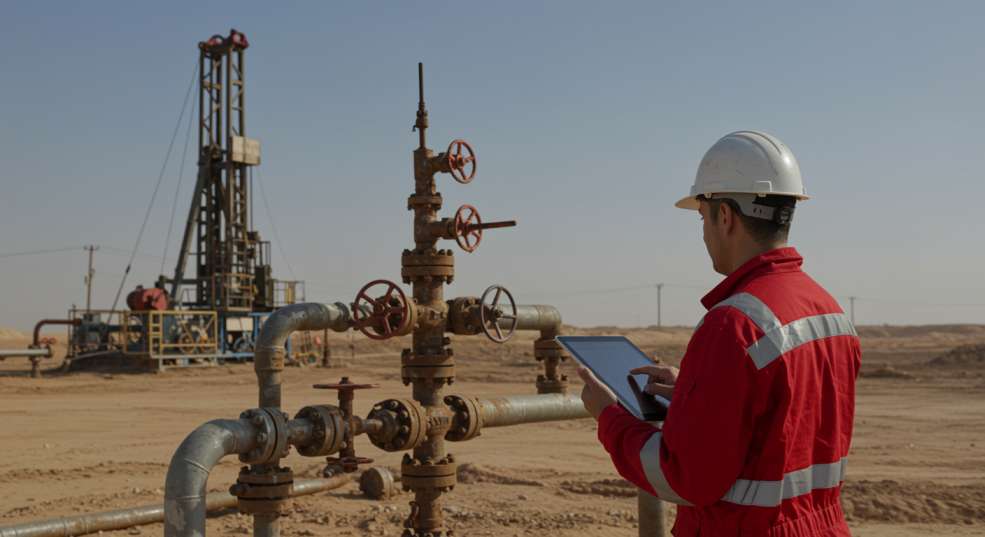
Imagine a drilling rig halting operation in the middle of the Arabian desert. The silence is deafening, but the financial impact is screaming. In the energy sector, every second of downtime translates to thousands of dollars in lost revenue. The machinery involved in extraction and processing is incredibly complex, yet the potential for failure often boils down to the smallest component—a valve, a seal, or a pump. In this high-stakes environment, the difference between a profitable quarter and a logistical nightmare often depends entirely on the reliability of your hardware. This is why partnering with established Oil Field Equipment Suppliers UAE is not merely a procurement task; it is a critical strategic imperative for any company operating in the region.
The Harsh Reality of the Gulf Environment
Operating in the United Arab Emirates presents a unique set of challenges that few other regions face. The equipment isn’t just battling the mechanical stress of extraction; it is fighting the environment itself. Extreme temperatures that can soar above 50°C, abrasive sandstorms, and high humidity in coastal areas create a corrosive cocktail that eats away at standard machinery.
Off-the-shelf solutions that work in milder climates often crumble under these conditions. Project managers need equipment that is specifically engineered to withstand thermal expansion and abrasive wear. This requirement for durability separates the average vendor from the true industry partners. A reliable supplier understands that a product failure isn’t just an inconvenience—it’s a safety risk and a massive financial liability.
Efficiency Equations and Operational Speed
In the modern energy landscape, efficiency is the only currency that matters. The era of “easy oil” is largely over, and companies are digging deeper and using more sophisticated technology to maximize yield. This shift requires a supply chain that is agile and responsive. You cannot afford to wait weeks for a replacement part to ship from another continent.
According to Forbes, building a resilient supply chain is one of the most significant factors in maintaining business continuity during global disruptions. For energy companies, this means having a local partner who holds stock, understands the technical specifications, and can deliver immediate solutions. The goal is to move from a reactive maintenance model—fixing things when they break—to a predictive model where high-quality parts prevent the break from happening in the first place.
Criteria for Selecting a Strategic Partner
With so many options available in the market, how do you filter through the noise? The Best Oil Field Equipment Suppliers UAE are distinguished by more than just their catalog size. They are defined by their technical expertise and their commitment to safety standards.
When evaluating a potential partner, look for these three pillars:
- Certification and Compliance: The oil and gas industry is heavily regulated. Your supplier must provide equipment that meets international API (American Petroleum Institute) and ISO standards. Using non-compliant gear can lead to regulatory fines and catastrophic accidents.
- Technical Support: You don’t just need a salesperson; you need an engineer. The right supplier acts as a consultant, advising you on the best materials for your specific well conditions, whether it is high-pressure/high-temperature (HPHT) or sour service environments.
- Logistical Reach: The UAE is a global hub, but getting parts to a remote onshore site or an offshore platform requires sophisticated logistics. The best suppliers have a proven track record of on-time delivery, regardless of the location.
The Future is Automated and Safe
The industry is rapidly evolving toward automation and smart technologies. Modern oil field equipment is increasingly fitted with sensors that monitor performance in real-time. This “Internet of Things” (IoT) approach allows operators to see wear and tear before a failure occurs.
Suppliers who are stuck in the past, offering only legacy mechanical parts without understanding modern integration, are becoming obsolete. The leaders in the UAE market are those who are stocking smart valves, automated drilling components, and advanced safety gear that integrates with digital control systems. This technological edge is what allows operators to reduce their headcount in dangerous zones while increasing overall output.
The energy sector is the engine of the region’s economy, but that engine requires premium fuel and premium parts to keep running. Cutting corners on equipment quality is a false economy—saving a few dirhams today could cost millions in downtime tomorrow.
Success in this field requires a shift in mindset. It requires viewing your supply chain not as a list of vendors, but as an extension of your own operations team. By prioritizing quality, certification, and local expertise, you ensure that your projects remain safe, efficient, and profitable. Choose a partner who understands the desert as well as you do, and build your operation on a foundation of reliability.