















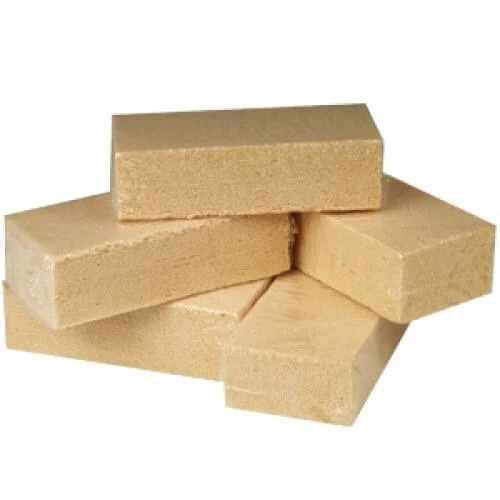
Choosing cleaning equipment for smoke damage requires more thought than simply selecting an ordinary sponge from a household cleaning aisle. A purpose-made soot sponge is intended for dry removal of fine soot and smoke residue, making it a more suitable option for certain restoration tasks involving walls, ceilings and similar surfaces.
The right product should match the type of contamination, surface and scale of the cleaning project. Understanding these factors helps homeowners, cleaners, property managers and restoration contractors make a more practical purchasing decision.
Understand What a Soot Sponge Is Designed to Do
A soot sponge is primarily a dry-cleaning tool.
Its purpose is to collect fine particulate contamination without requiring water during the initial cleaning stage.
This makes it different from:
- Cellulose household sponges
- Microfibre cloths
- Scouring pads
- Foam washing sponges
- Abrasive cleaning blocks
Using a purpose-made product can provide better control when working with fine smoke residue.
Consider the Type of Smoke Damage
Before buying anything, identify the problem.
Light Household Smoke
Minor residue from candles, fireplaces or isolated cooking incidents may involve small areas.
Restoration Work
A property affected by a fire may contain soot across multiple walls and ceilings.
Commercial Cleanup
Businesses, restaurants, workshops or industrial sites may require larger quantities and a more systematic cleaning process.
The size of the project influences how many sponges and other supplies may be required.
Look for Dry-Cleaning Suitability
One of the main reasons to purchase this type of sponge is the ability to begin cleaning without wetting the surface.
Check that the product is specifically intended for smoke and soot dry cleaning.
Generic sponges designed for detergent and water may not behave the same way.
Check the Recommended Surfaces
Not every surface responds equally to cleaning.
Purpose-made smoke sponges are commonly associated with cleaning areas such as:
- Painted walls
- Ceilings
- Panelling
- Wallpaper
- Other suitable smoke-affected surfaces
However, always test the exact surface before committing to a large area.
Old paint, fragile wallpaper and decorative finishes require additional care.
Size and Handling
The sponge should be comfortable to control.
Professional cleaners may work for extended periods, particularly on walls and ceilings, so a practical handheld shape can improve control.
For detailed areas, corners or edges, smaller working sections may also be useful where appropriate.
Why Product Quality Matters
Smoke restoration is already time-consuming.
Poor-quality cleaning materials can slow the job and create inconsistent results.
A suitable sponge should provide:
- Easy handling
- Controlled surface contact
- Good pickup of fine residue
- Practical use on vertical surfaces
- Convenient storage
- Suitability for professional or DIY tasks
For cleaners, consistent supply is also important when preparing for larger projects.
Chemical Sponges for Professional and DIY Cleaning
Good Chemical Sponges can be relevant to both professional and household users because the underlying cleaning principle is straightforward.
Professionals may use them as part of a wider restoration workflow, while homeowners may use them for smaller smoke-related marks.
The difference is usually the scope of the job rather than the basic tool.
Consider the Supplier
The supplier matters as much as the individual item, particularly for businesses.
A professional cleaning supplier may offer related equipment and consumables needed to complete the wider job.
Useful Supplier Characteristics
Look for:
- Specialist cleaning knowledge
- Commercial cleaning range
- Clear product information
- Reliable Australian availability
- Suitable options for trade customers
- Related cleaning equipment and consumables
- Accessible customer support
This can simplify procurement for cleaning contractors and facilities teams.
Do Not Buy Based on Price Alone
A cheap general-purpose sponge is not automatically a suitable substitute for a specialist dry-cleaning product.
Purchase decisions should consider:
- Intended application
- Material
- Ease of use
- Surface compatibility
- Quantity required
- Supplier reliability
- Total cleaning time
Saving a small amount on the wrong tool can create more work later.
How Many Sponges Do You Need?
There is no universal quantity because contamination levels vary widely.
A small fireplace mark may require far less material than an entire smoke-affected property.
Estimate your needs based on:
- Number of rooms
- Wall and ceiling area
- Severity of contamination
- Number of technicians
- Need for backup supplies
Commercial cleaners should generally plan for sufficient stock rather than depending on a single cleaning tool.
Technique Still Matters
Buying the correct sponge does not guarantee good results.
Use it with a controlled method:
- Test the surface.
- Keep the initial soot-cleaning process dry.
- Apply light pressure.
- Work in manageable sections.
- Monitor the contact surface.
- Avoid spreading contamination.
- Reassess before moving to another cleaning method.
Proper technique helps the product perform its intended role.
Why Choose CleanCare Australia?
CleanCare Australia is an Australian cleaning supplies retailer and wholesaler offering equipment, chemicals, accessories and everyday cleaning products for both commercial and domestic applications. Its specialist range includes a smoke sponge intended for dry removal of smoke, soot, dust and residue, making the supplier relevant to restoration contractors, professional cleaning businesses, facilities teams and DIY customers.
Conclusion
Choosing the right soot sponge starts with understanding the cleaning problem rather than simply comparing prices. Look at the type of contamination, surfaces involved, scale of the project and suitability of the product for dry soot removal. Combined with correct technique and a reliable cleaning supplier, the right sponge can make the early stages of smoke cleanup considerably easier to organise.