
















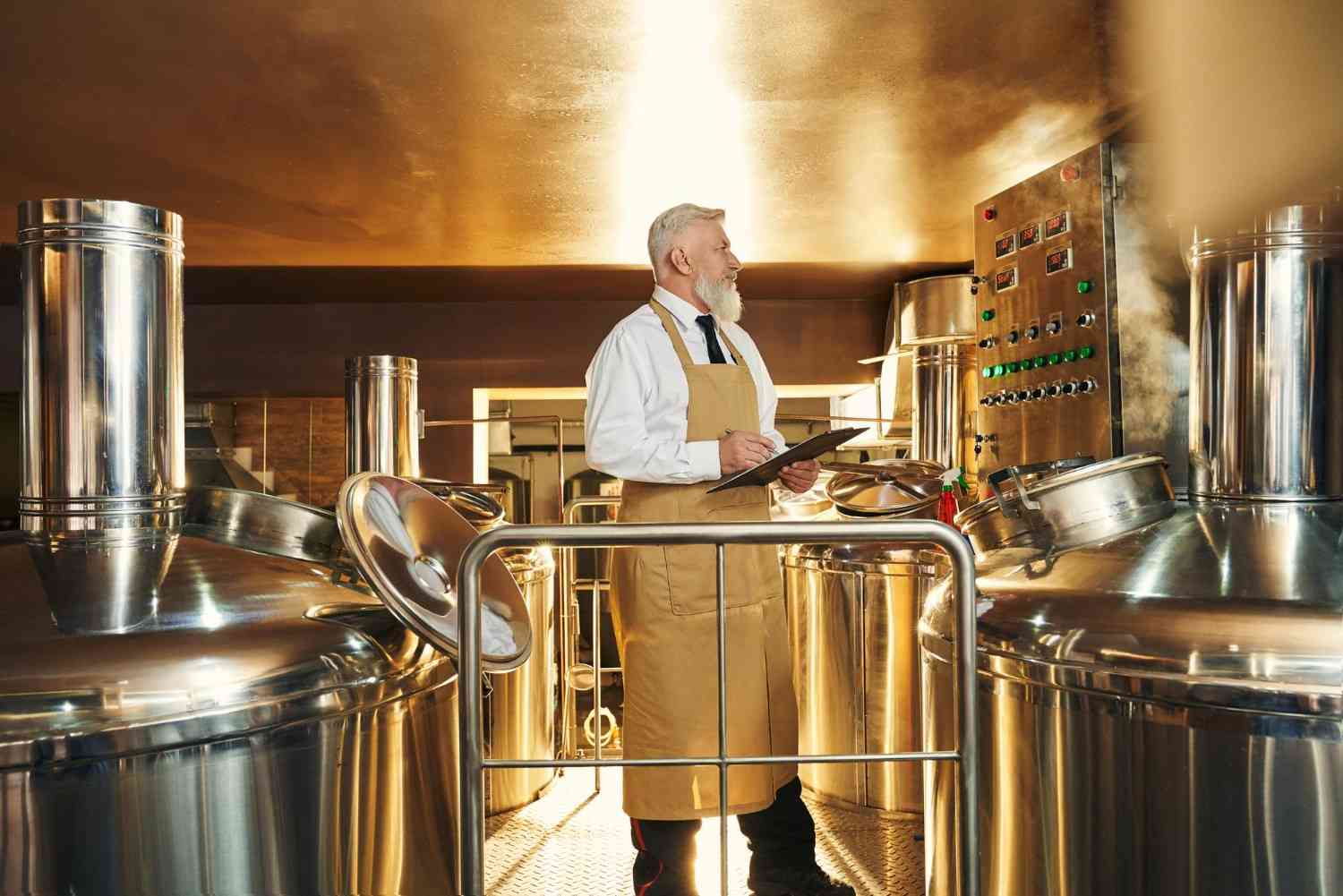
India’s beer culture is changing quickly. Consumers are increasingly interested not only in what is in their glass, but also in how beer is brewed, where it is produced, and what standards guide its journey from brewery to market. For anyone exploring Breweries India, understanding modern brewing operations offers a useful perspective on quality, consistency, innovation, and responsible production.
The Indian brewing industry includes large-scale breweries, regional producers, craft operations, and beer companies developing products for different consumer preferences. Behind every packaged beer is a detailed manufacturing process involving ingredients, fermentation, quality control, packaging, logistics, and regulatory compliance.
What Makes a Modern Beer Factory in India Different?
A contemporary beer factory in India is much more than a facility where ingredients are mixed and fermented. It is a highly coordinated production environment where brewing science, engineering, food-quality practices, packaging technology, and supply-chain management work together.
A typical brewing operation involves several important stages:
- Ingredient selection: Malted grains, hops, yeast, water, and other permitted ingredients influence the beer’s characteristics.
- Mashing and brewing: Grains are processed to extract fermentable sugars before the wort is boiled and prepared for fermentation.
- Fermentation: Yeast converts sugars into alcohol and develops important flavour characteristics.
- Maturation and conditioning: The beer is given time and controlled conditions to achieve the intended profile.
- Filtration and packaging: Depending on the product, beer may be filtered before being packaged in bottles, cans, or other approved formats.
- Quality assurance: Samples and production parameters are monitored to maintain consistency and meet applicable standards.
This combination of brewing expertise and process control is particularly important when a company produces beer at significant scale.
Inside the Brewing Process: From Ingredients to Finished Beer
Water, malt, hops and yeast
Beer begins with a relatively simple set of core ingredients, but their quality and treatment can have a significant impact on the finished product.
Water chemistry matters because minerals and pH can influence brewing performance and flavour. Malt provides fermentable sugars and contributes colour and body. Hops can add bitterness and aroma, while yeast plays a central role in fermentation and the development of flavour compounds.
Fermentation requires precision
Fermentation is one of the most important stages in brewing. Temperature, yeast health, timing, sugar concentration, and other production variables must be carefully controlled.
For large-scale manufacturers, repeatability is especially important. Consumers generally expect a particular beer to deliver a consistent experience from one purchase to another, making process monitoring and quality assurance essential parts of professional brewing.
How Breweries India Is Embracing Scale and Innovation
The growth of Breweries India reflects a broader evolution in the country’s beverage manufacturing sector. Modern producers are investing in production capacity, packaging systems, distribution networks, and product development to serve increasingly diverse markets.
Mount Everest Breweries Limited (MEBL), for example, says it began its journey in 1999 and operates its primary brewery near Indore, Madhya Pradesh. Its official website reports an installed capacity of 10 lakh hectolitres at the Indore facility and describes expansion into markets including Maharashtra and Goa. The company also reports a second brewery in Mysuru following its 2025 acquisition of Cheers Breweries.
For readers researching Breweries India, such developments illustrate how Indian beer manufacturing is becoming increasingly sophisticated, with companies combining regional market knowledge and industrial-scale brewing capabilities.
Packaging is part of product quality
Beer quality does not depend only on brewing. Packaging also matters.
Cans and bottles must protect the product from factors that can affect its quality, including oxygen, light, temperature fluctuations, and physical damage. Efficient filling and sealing systems therefore play an important role in maintaining product integrity during storage and transportation.
Mount Everest Breweries highlights its canning capabilities and large-scale manufacturing infrastructure as part of its brewing operations.
What Should Consumers Look for in a Beer Company?
Searching for the best beer company can produce very different answers because preferences vary. Some consumers prioritize taste, others consider price, availability, brand heritage, packaging, or the variety of beer styles offered.
A more useful approach is to consider measurable aspects such as:
Brewing consistency
Does the company have established processes for maintaining product consistency?
Product variety
Does its portfolio serve different preferences, such as lager, strong beer, or flavoured beer?
Manufacturing capability
Does the producer have appropriate brewing, packaging, storage, and quality-control infrastructure?
Transparency
Does the company provide clear information about its operations, brands, and corporate practices?
Sustainability
Are there documented efforts to reduce waste, conserve resources, or improve environmental performance?
These criteria provide a more meaningful framework than simply relying on a “best” label.
Sustainability Is Becoming Part of Brewing Excellence
Beer production uses significant quantities of water, energy, packaging materials, and transportation resources. Consequently, sustainability is becoming an increasingly relevant part of modern brewery management.
Responsible breweries may focus on areas such as water efficiency, waste reduction, recycling, energy management, packaging optimization, and responsible wastewater treatment.
MEBL states that sustainability is guided by a “reduce, reuse, and recycle” approach and reports zero-liquid-discharge compliance at its Mysuru brewery. These company-reported initiatives demonstrate how environmental considerations can become part of brewery operations rather than an afterthought.
Beer and Responsible Consumption: What Consumers Should Know
Brewing innovation should not be confused with health benefits. Beer is an alcoholic beverage, and alcohol consumption carries health risks.
The World Health Organization states that alcohol can contribute to more than 200 diseases, injuries, and health conditions, and identifies alcohol as a risk factor for conditions including liver disease, cardiovascular disease, several cancers, and alcohol-use disorders. WHO also states that there is no risk-free level of alcohol consumption.
That makes responsible consumer information an important part of any discussion about beer. People who drink should understand that beer quality or premium positioning does not eliminate the health risks associated with alcohol. Individuals who are pregnant, taking medicines that interact with alcohol, driving, or affected by alcohol-related health conditions should avoid alcohol.
The Future of Beer Manufacturing in India
The future of Indian brewing will likely be shaped by several connected trends: greater production efficiency, improved packaging technology, broader product portfolios, sustainability initiatives, regional expansion, and changing consumer expectations.
For beer companies, success requires more than producing volume. Consistency, operational discipline, innovation, responsible communication, and an understanding of local markets all contribute to building a durable brewing business.
For consumers, learning how beer is manufactured makes it easier to look beyond advertising and understand what actually influences a product’s quality and identity.
Understanding Breweries India Beyond the Bottle
The story of Breweries India is ultimately a story of technology, craftsmanship, quality management, and evolving consumer preferences. From carefully controlled fermentation to modern packaging and distribution, today’s beer factory in India represents a complex manufacturing ecosystem.
Companies such as Mount Everest Breweries demonstrate how Indian beer producers are expanding their manufacturing capabilities while developing diverse portfolios for different markets.
Whether you are researching the Indian brewing industry, evaluating a beer manufacturer, or simply curious about what happens before a beer reaches the shelf, looking at the complete brewing journey provides valuable context. The next time you explore a beer brand, consider not just what is in the bottle or can, but the brewing expertise, quality systems, infrastructure, and responsibility behind it.