















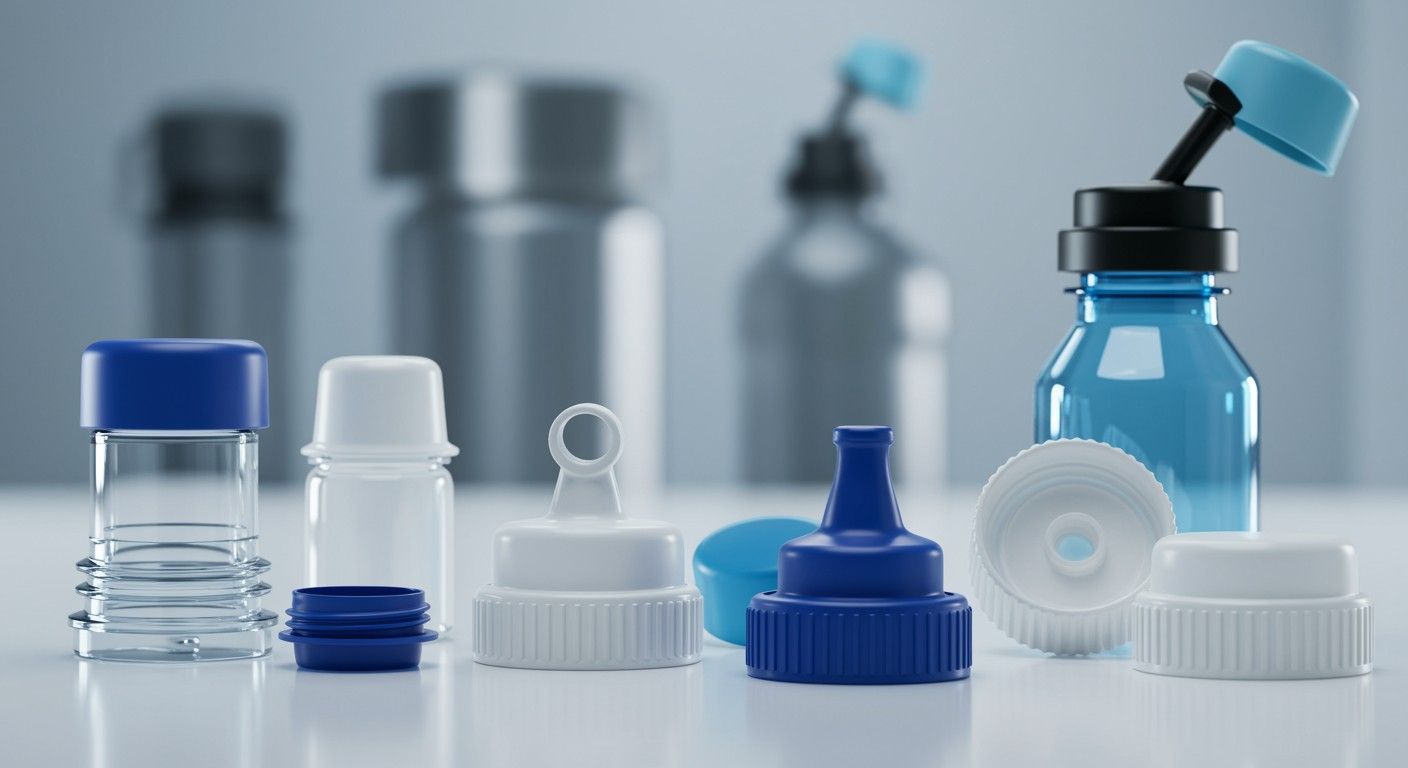
The split-second a consumer interacts with a product, their perception of the brand is defined by the ease of use and the reliability of the packaging. Whether it is a refreshing gulp of an electrolyte drink during a marathon or the precise drop of a luxury skincare serum, the closure is the gatekeeper of the user experience. For a plastic bottle cap manufacturer, the challenge is to balance airtight security with effortless accessibility. In high-pressure markets where convenience is a primary driver, the difference between a messy leak and a controlled flow is determined by the precision of the injection molding process and the integration of smart valve technology.
The Evolution of Liquid Control in Personal Care
Gone are the days when consumers had to struggle with cumbersome screw-tops that resulted in wasted product and messy bathrooms. The modern household demands an easy squeeze closure that provides immediate response to pressure and an instantaneous seal once released. This functionality is particularly vital for viscous liquids like shampoos, dish soaps, and honey. By utilizing high-grade polymers and ergonomic designs, manufacturers are creating “active” packaging that responds to the user’s touch, ensuring that every drop of the product is utilized without the frustration of clogging or dripping.
According to Entrepreneur, the ability to innovate at the intersection of material science and consumer convenience is what allows smaller, specialized firms to outpace traditional industry giants. This agility in design leads to the development of components that not only look sleek but solve real-world problems. For instance, the transition toward inverted packaging has made the demand for leak-proof valves higher than ever, pushing the limits of what a standard cap can achieve.
Specialized Solutions for Diverse Industries
“Hopewell is a specialized manufacturer focused on silicone valves and plastic dispensing closures integrated with silicone valves, delivering reliable, cost-effective flow control solutions to customers worldwide. Our products are widely applied in food and beverage packaging, personal care, household cleaning, medical and consumer products, where controlled dispensing, leak prevention and consistent flow performance are critical.”
This focus on cross-industry application ensures that the technology developed for a medical device can be adapted to improve a kitchen condiment bottle. The synergy between different sectors allows for a more robust R&D process, resulting in flip top spout caps that are more durable and hygienically superior. By understanding the chemical compatibility of various contents, from acidic juices to alkaline cleaners, engineers can select the perfect material to prevent degradation and maintain a perfect seal throughout the product’s shelf life.
Mastering the Dynamics of Beverage Closures
The beverage industry remains one of the most demanding sectors for closure technology. Carbonated drinks require caps that can withstand internal pressure, while sports drinks focus on rapid hydration and one-handed operation. High-performance beverage closures are now expected to be lightweight to reduce environmental impact, yet strong enough to survive the rigors of global shipping and retail handling. The trend toward “tethered caps” in various regions has further complicated the design process, requiring manufacturers to find creative ways to keep the cap attached without hindering the drinking experience.
For active individuals, the sports bottle closure has become a critical piece of equipment. These closures often feature integrated silicone valves that allow for high-velocity liquid flow without the need for a mechanical pull-push top. This allows a cyclist or a runner to hydrate quickly without breaking their stride or worrying about accidental spills if the bottle is dropped. The precision required to mold these valves ensures that they remain flexible over hundreds of uses while providing a watertight seal every time the pressure is removed.
Sustainability and the Future of Injection Molding
As the global conversation shifts toward a circular economy, the role of a closure manufacturer has expanded to include environmental stewardship. Modern production facilities are increasingly focusing on “mono-material” designs, where the cap and the valve are made from the same family of polymers to facilitate easier recycling. This reduces the complexity of waste management and ensures that the packaging does not end up as a permanent pollutant in our oceans.
The use of post-consumer recycled (PCR) resins in the production of non-food grade closures is another significant trend. By optimizing the injection molding parameters, manufacturers can maintain the structural integrity and aesthetic quality of the cap while using sustainable feedstock. This commitment to green manufacturing is not just good for the planet; it is a vital requirement for brands looking to maintain consumer trust in an increasingly eco-conscious marketplace.
A Vision of Precision and Reliability
The humble bottle cap is, in reality, a marvel of modern engineering. From the initial design phase to the final quality inspection, every step is geared toward providing a seamless experience for the end-user. Whether it is preventing a leak in a medical shipment or ensuring a child can easily use a juice bottle, the impact of high-quality closures is felt in every corner of daily life. By choosing a partner who prioritizes scientific precision and innovative material use, brands can safeguard their products and enhance their reputation for quality. The future of dispensing is clear: it is smart, sustainable, and perfectly controlled.