















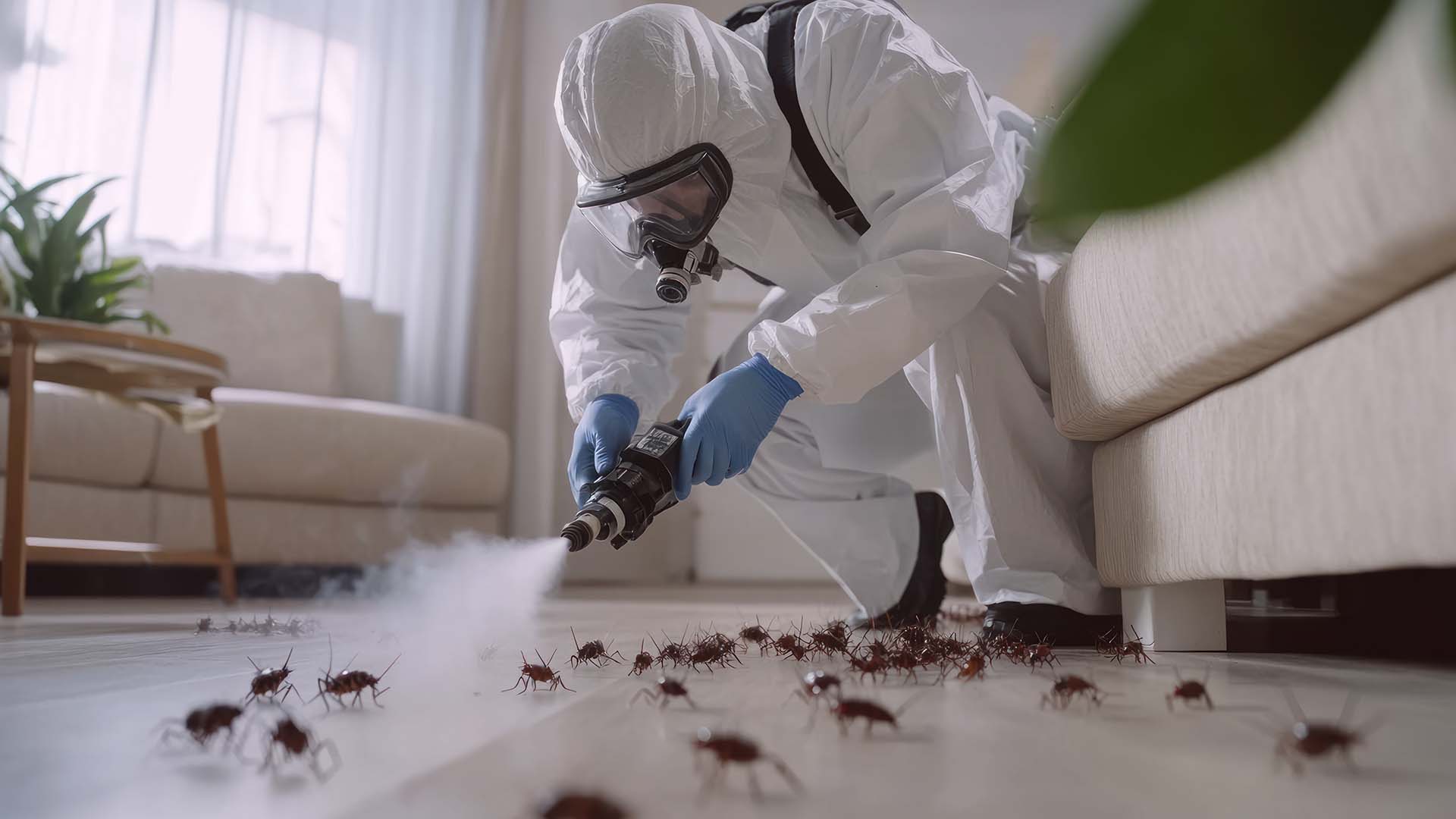
If you’ve been through the one monsoon that swept through Mumbai then you’re already aware of that pests do not knock when they are about to enter.
The first heavy rain falls. Drains overflow. Humidity increases. In the course of a few days, cockroaches begin to appear within kitchens. Termites emerge on damp walls, mosquitoes thrive in areas of the stagnant waters, while rodents start looking for shelter inside.
Monsoon doesn’t create pests. It speeds them up.
And in a place like Mumbai -in which the density of construction is high and the retention of moisture is consistent the management of monsoon-related pests isn’t an option. It’s essential.
Why Monsoon Triggers Pest Explosions
To comprehend why the activity of pests increases during monsoons you must understand the ways in which pests can survive.
The majority of urban pests are driven by moisture.
- Cockroaches require damp, dark environments.
- Termites grow colonies when the soil’s moisture rises.
- Rodents seek shelter in dry areas when burrows that are in the open are flooded.
- Mosquitoes reproduce quickly in stagnant waters.
- Ants move colonies to new locations when nests in the ground are affected by rain.
Monsoon conditions offer all the pests require:
- Warm temperatures
- High humidity
- Food exposure increases (waste accumulation)
- Water seepage from structural structures
- Overflow from drain
This is the reason that the issue of pest control in Mumbai is a major issue from June to September.
The Hidden Infrastructure Problem
In high-rise apartment buildings and housing communities, the danger is increased.
Sharing plumbing lines, drainage ceilings, false ceilings and basement parking areas form connections between the floors. When pests infest one area they are able to move horizontally or vertically over multiple floors.
For instance:
- Cockroach control services typically uncover breeding areas deep in drainage systems.
- Rodent control services typically identify the entry points near utility shafts.
- The treatment of termites in Mumbai usually reveals colony-building soil access points under the foundations.
Monsoon just accelerates the structurally feasible.
Why Reactive Treatment Fails During Monsoon
A lot of homeowners are waiting until they notice insects.
This method doesn’t work during monsoons.
When the first visible sign of signs of infestation appear the breeding cycles are already in full swing. Cockroaches reproduce quickly. Termite colonies multiply underground. Rodents spread nesting zones within the structures.
Spraying on a short-term basis can temporarily lessen visible pests, however without any structural changes, the infestation will return within a few weeks.
This is the point where the need for preventive pest control becomes essential.
What Preventive Monsoon Pest Planning Looks Like
Professional pest control companies take on monsoon in a different way.
Instead of reacting a flurry Instead of preparing for them, they plan for them.
A sound monsoon pest management plan should include:
1. Pre-Monsoon Inspection
Before heavy rains get underway the properties are checked to check for:
- Wall cracks
- Basement moisture
- Blockages to drainage
- Contact with soil by wooden structures
- Ventilation gaps
- Garbage accumulation points
2. Targeted Treatment
Instead of a lot of spraying, ecological pest control strategies apply specific treatments to areas at risk.
Barriers to perimeters, gel baiting and entry-point seals reduce infestation possibility.
3. Drainage & Moisture Advisory
Professional pest control services in Mumbai typically includes instruction on:
- Repairing leaks
- Cleansing drains
- Improving ventilation
- Reduced standing water
Without moisture control treatment efficiency decreases.
Termite Risk During Monsoon
Monsoon is the peak termite season.
The moist soil allows colonies of subterranean species to grow and build new tunnels of mud. Termsites with wings (alates) are seen emerging in the evenings when it is humid and form new colonies.
If your home has not been treated for termite pre-construction Monsoon is a risky time.
Early warning signs are:
- The walls are covered in mud.
- Hollow or soft wooden surfaces
- The termite wings that were discarded near windows
- The bubbling of paint is due to internal damage
The immediate treatment of termites in Mumbai in the early stages of detection can prevent the structural weakness.
Rodents: The Overlooked Monsoon Threat
The burrows that flood push rodents towards dry shelters, which are often within commercial and residential structures.
The services of rodent control during monsoon concentrate on:
- Sealing gaps on the outside
- Monitoring bait stations
- Inspecting parking and basement areas
- Inspection of electrical panels
Rodents aren’t just an inconvenience. They can chew wires, destroy insulation, and can contaminate stored food items.
For businesses, specifically stores and restaurants this can create compliance risks which makes commercial pest control programs crucial.
Bed Bugs and Indoor Spread
In addition, monsoon can increase cases of bed bugs.
Why?
Because during rainy months:
- Windows remain closed for longer.
- The amount of air that is circulated decreases.
- The cost of travel increases.
- Drying out conditions in laundry become more difficult.
Bed bug treatment requires careful examination and repeated cycles. Spraying mattresses on their own is not effective.
Professional pest control firms employ systematic monitors and visits in order to break breeding cycles.
Housing Societies and Collective Responsibility
Monsoon pest control isn’t only an individual effortit’s a collective effort.
If a unit does not take care to address the issue neighbors are also at risk.
A lot of Mumbai housing societies are now implementing homes with pest control plans that are collectively adopted. A coordinated approach across units dramatically minimizes the risk of re-infestation.
All-encompassing eco-friendly pest control programs reduce exposure to chemicals while ensuring the infrastructure that is shared.
The Financial Argument for Prevention
Damage from monsoon-related insects can be costly.
- Cabinetry repair for termite damage
- Electrical rewiring with rodent-chewed electrical conductivity
- Cockroach contamination in kitchen spaces
- Structural moisture repairs
As compared to emergency treatment expenses and emergency treatment costs, preventive pest control solutions are much more economical.
The quarterly scheduling process ensures that risk is all year round, not only during obvious outbreaks.
Why Eco Friendly Pest Control Works Best During Monsoon
In the rainy season, frequent exposure to chemicals can become exhausting if reactive treatments are frequently.
Pest control methods that are eco-friendly help reduce the need for heavy chemical use while ensuring effectiveness.
Applications with low odors and targeted use allow continuous occupancy and minimize disruption, which is especially essential for businesses and families that are operating during monsoon.
Final Thoughts
Monsoons in Mumbai is a predictable event.
A torrential rain is likely to fall. The humidity will increase. The humidity will increase.
The only variable is whether your home is well-maintained.
Professionally-trained pest control in Mumbai is most effective when it’s proactive and not reactive.
A structured inspection, targeted treatment, management of moisture and continuous monitoring are the key to efficient monsoon pest control.
Because in Mumbai the pests don’t have to just wait for rain to end.
Prevention is not the only thing to consider.